Skip to content
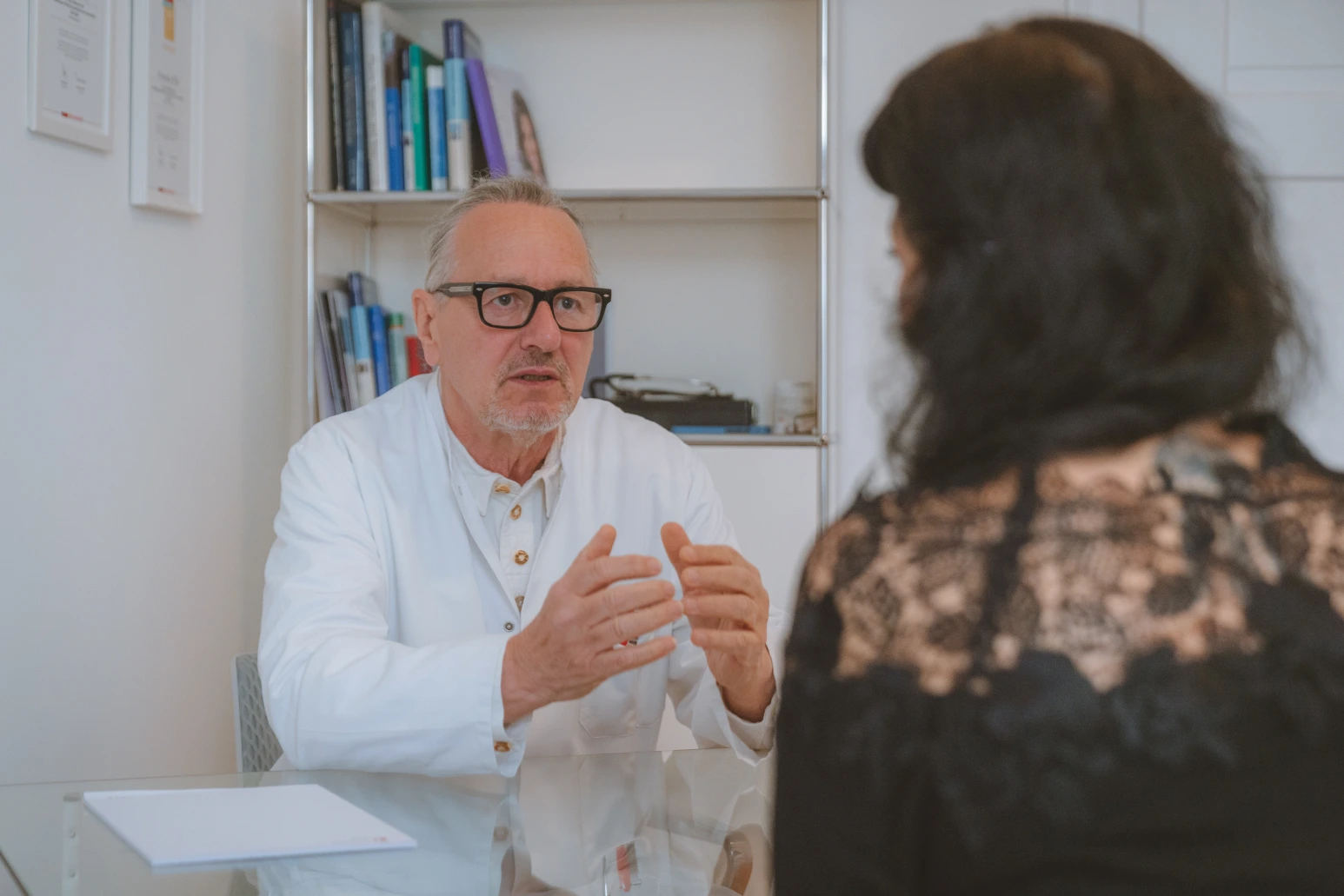
Dr Michael Pees during an aesthetic consultation at Bodywise private practice in Heidelberg

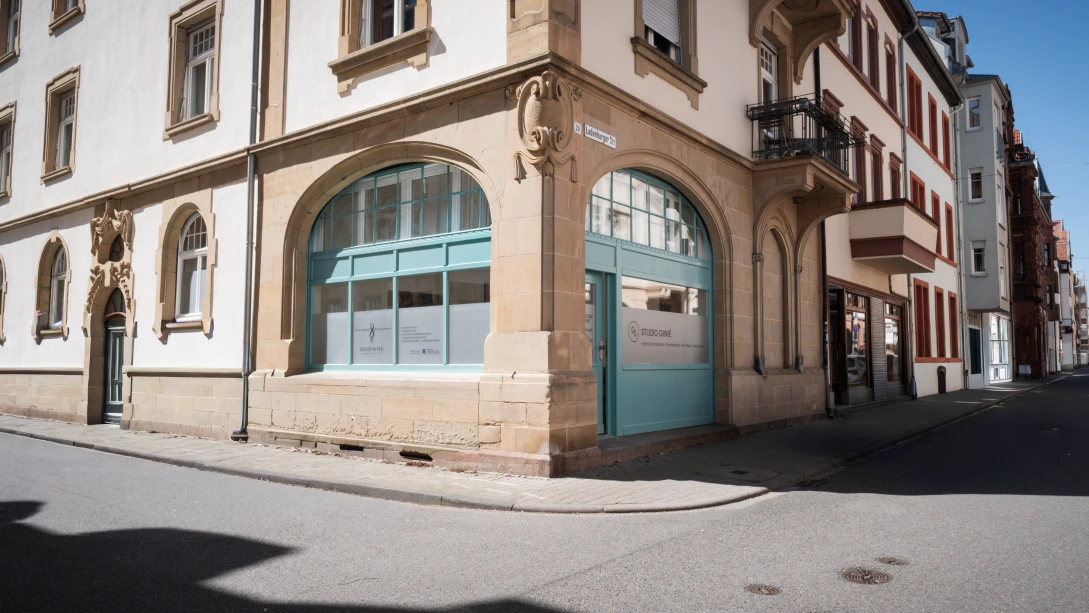
Bodywise private practice in Heidelberg-Neuenheim

Filler correction in Heidelberg

Too much volume, an uneven contour or changes you can feel after filler treatment: Dr Michael Pees examines the area and discusses which corrective approach may be appropriate. For hyaluronic acid fillers, targeted breakdown using hyaluronidase may be an option.

When filler correction may be considered

There are various reasons why a result may be unsatisfactory. Before considering correction, it is therefore important to establish whether filler material is actually the cause, or whether swelling, inflammation or natural anatomy may explain the changes.

Too much volume or uneven contours

If the lips or other treated areas appear too full, reducing existing hyaluronic acid filler may be considered. Where there is asymmetry, the first step is to assess how much of the difference is attributable to the material.


Material outside the intended contour

A visible ridge or altered contour may be caused by the position or migration of filler material. An examination and information about the previous treatment help to assess the findings.

Lumps or persistent swelling

Not every lump is simply an accumulation of filler. Inflammatory causes must be assessed, particularly where there is redness, warmth, pain or recurrent swelling. Simply injecting more filler or attempting to dissolve it without further assessment may be inappropriate.

Dissolving hyaluronic acid filler: how hyaluronidase can help

Hyaluronidase is an enzyme that breaks down hyaluronic acid. When injected into the affected area by a doctor, it can break down the gel structure of a hyaluronic acid filler and reduce its volumising effect. The extent of the change depends on factors including the filler, its location, the amount present and the surrounding tissue.

Partial correction may be possible. However, the effect cannot be confined precisely to an unwanted portion of filler. Nearby filler material may also be affected. The treatment goal and approach are therefore agreed in advance, and the result is reviewed over time.

Not all filler materials can be treated this way

Material usedWhat this means for correction
Hyaluronic acid fillersCan be broken down by hyaluronidase. The extent varies between individuals; complete removal in one appointment is not guaranteed.
Other fillersCalcium hydroxylapatite, poly-L-lactic acid and permanent fillers are not dissolved by hyaluronidase in the same way. They require a different medical assessment.
Unknown materialThe previous treatment and current findings must first be reviewed. The product cannot be reliably identified from appearance alone.

With combination products, the hyaluronic acid component may respond while other components remain. The product name or a treatment record is therefore helpful.

What changes are realistic?

Correction aims to improve a specific concern. It does not automatically restore the area to its appearance before the original treatment. After breakdown of the filler, previously concealed differences in volume or skin changes may become more visible; remaining material and tissue changes also influence the result.

Hyaluronidase can also affect the body's own hyaluronic acid in the treated area. Its natural renewal does not mean that the contour or tissue can be guaranteed to return exactly to its original state within a particular time frame.

How filler correction is planned

Dr Michael Pees during a personal consultation with a patient
  1. Discussing previous treatment and symptoms

    Where and when were you treated? Which product and how much were used? When did the change begin to concern you? Dr Pees considers the course of events as well as your medical history, medicines and allergies.

  2. Examining the affected area

    The examination includes the contour, swelling, palpable changes and possible signs of inflammation. If the findings are unclear, further diagnostics, such as an ultrasound examination by a suitably experienced practitioner, may be helpful. Whether and where this is needed is discussed individually.

  3. Agreeing the approach and costs

    You discuss whether observation, correction with hyaluronidase or further assessment is appropriate for the findings. Before an injection, the scope, limitations, risks, alternatives and expected costs are explained. Treatment at the first appointment is not guaranteed.

  4. Treatment and follow-up

    If the requirements are met, the correction is carried out by the doctor. Aftercare and the timing of follow-up depend on the findings. Whether further material should be reduced is decided only after reviewing how the area develops.

When the result can be assessed

Breakdown may begin early. However, swelling or bruising can affect the immediately visible result. For planned aesthetic correction, an initial medical review after around 48 hours may be appropriate; more time may be needed for a final assessment.

One session is not always enough. Remaining material, different filler products or a complex starting situation may make further appointments necessary. Further filler treatment is discussed only once the area has healed and is sufficiently stable.

What to bring to your appointment

  • The product name or treatment record, date, treated area and, if possible, the amount used.
  • Photos before and after the original treatment, if available, and details of any previous attempts at correction.
  • A complete list of medicines and information about allergies, particularly previous reactions to hyaluronidase or bee or wasp stings.

If you no longer have the records, mention this when arranging your appointment. Do not stop prescribed medication without medical advice.

What are the risks of correction?

Pain, redness, swelling or bruising may occur after an injection. The result may be uneven or the effect may be stronger or weaker than intended. Infection is also a possible consequence of an intervention.

Hyaluronidase can cause allergic reactions, including a severe reaction with breathing or circulatory problems. Previous reactions to the enzyme and known allergies are therefore discussed beforehand. If you have a bee or wasp venom allergy, an allergy assessment may be needed before planned treatment. A negative test does not reliably rule out a reaction.

When planned treatment is postponed or ruled out

If there is an infection in the intended treatment area, hyaluronidase is not simply injected: the enzyme can promote the spread of infection. Known hypersensitivities and relevant medical conditions may also make its use unsuitable. The contraindications for the particular medicine apply.

Purely aesthetic correction should be postponed during pregnancy and breastfeeding. Acute medical complications still require immediate medical assessment.

After treatment

Attend the agreed follow-up appointment and follow the practice's individual aftercare advice. Do not massage or press the area on your own initiative. Have new or increasing symptoms assessed instead of arranging further treatment without medical guidance.

Cost of filler correction at Bodywise

Filler correction

From €250

The treatment required and the total cost depend on the findings and the agreed scope. The costs will be explained before treatment begins.

Bodywise bills medical services according to the German medical fee schedule (GOÄ). The starting price does not guarantee complete correction in a single appointment. Whether further treatment or additional diagnostics are needed, and their costs, is discussed separately.

If you initially want a consultation only, please clarify the appointment type and consultation fee with the practice beforehand. Further details are available in our overview of prices and services.

Dr Michael Pees, specialist in surgery at Bodywise Heidelberg

Your treating doctor: Dr Michael Pees

Dr Michael Pees is a specialist in surgery with many years of experience in senior roles in aesthetic surgery. At Bodywise in Heidelberg-Neuenheim, he personally provides consultations, examinations and medical treatment planning.

The discussion focuses on the change that concerns you, its possible cause and the most appropriate medical next step.

Frequently asked questions about filler correction

Can I have hyaluronic acid filler in my lips dissolved?

If your lips have been treated with hyaluronic acid filler, breakdown using hyaluronidase may be an option. The first step is to check whether the unwanted volume is actually caused by filler or, for example, temporary swelling. The exact desired contour cannot be guaranteed.

Does all the filler have to be removed?

Not necessarily. Depending on the location and findings, a limited reduction may be the aim. However, the effect cannot be confined to a sharply defined area. Partial correction therefore does not mean that neighbouring filler will remain unchanged.

Does hyaluronidase help with every lump?

No. A palpable lump is initially a finding, not a diagnosis. Accumulations of material, inflammatory reactions and other tissue changes may require different treatments. Lumps that are red, warm or painful in particular should be examined by a doctor.

Can treatment from a long time ago still be corrected?

Hyaluronic acid filler may still be present after a long time. An examination is needed to determine whether it explains the current findings and whether breaking it down could help. The time since treatment alone does not determine suitability.

How many appointments will I need?

This cannot be reliably determined before an examination. Relevant factors include the material, its distribution, the desired change and the response to the first treatment. At follow-up, you will discuss whether further steps are appropriate.

Will the area look the same as it did before filler treatment?

This cannot be predicted with certainty. Original differences in volume may become more visible after the filler is broken down. Previous treatments, tissue changes and the natural ageing process also influence the contour. A complete return to the previous appearance therefore cannot be promised.

Can I have more filler straight afterwards?

New filler treatment should only be considered once swelling has subsided and the area is sufficiently stable. Inflammation or other complications must first be assessed and treated. There is no single waiting period that applies to everyone.

What if my first treatment was at another practice?

Information about previous treatment is particularly helpful for the assessment. Ask the previous practice for the product name, amount, area and date. When arranging your appointment, mention that you would like an assessment after filler treatment elsewhere. Whether Bodywise can undertake the correction is decided after the findings have been assessed.

Your filler correction consultation in Heidelberg

Would you like the result of a filler treatment assessed? Arrange an appointment at Bodywise in Heidelberg-Neuenheim. Bring any available records of your previous treatment. If you are unsure which appointment type is appropriate, the practice can help you choose.

Bodywise · Ladenburger Straße 29 · 69120 Heidelberg

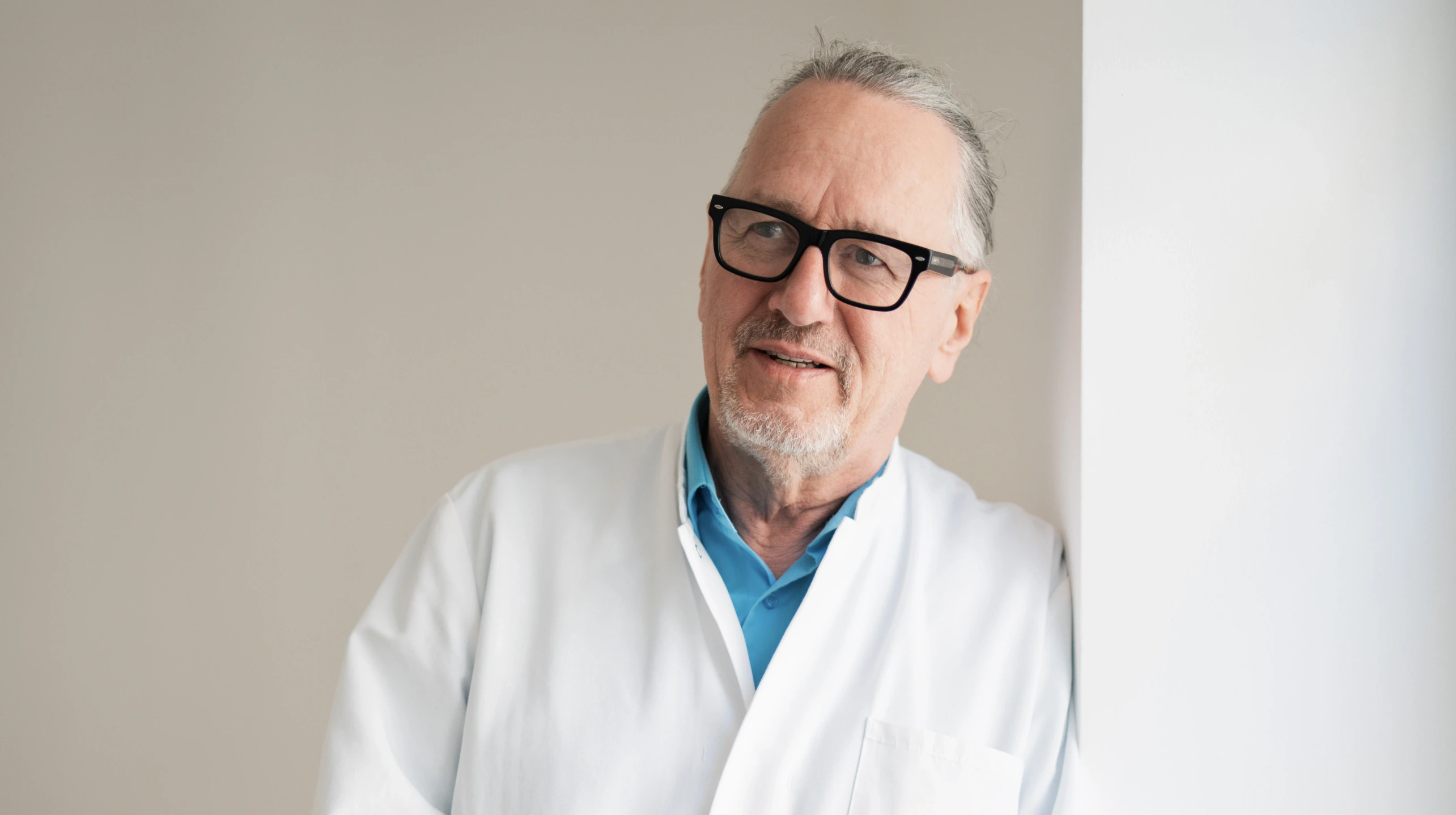
Portrait of Dr Michael Pees at Bodywise in Heidelberg
Dr Michael PeesSpecialist in surgery